
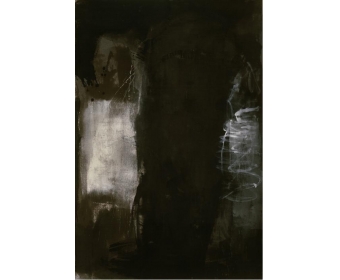
水墨雲煙-旅美艺术家郑连杰当代水墨作品展
主办: 北京四合苑画廊
展期: 2010/9/18—2010/11/24
地点: 东城区东华门大街95号
电话: 65268882
开放时间: 10:00-17:00周一休息
在中国当代艺术近30年的创作活动及相关论述中,旅美艺术家郑连杰都以观念摄影和行为艺术的创作示人。他以长城墙体本身为媒材创作的宏大史诗般的地景行为装置作品“大爆炸---捆扎丢失的灵魂”系列作品,是90年代中国当代艺术创作中,最具国际影响力的作品之一。他从80年代末至今在中美两地创作的一系列充满力度和具有批判颠覆性艺术语言的行为,录影和雕塑创作,无不与他关注的社会现实息息相关且影响广泛。
其实纸上水墨绘画,也是郑连杰一直以来磨砺不断的创作形式。高深的笔墨功力、敢为人先的当代艺术实验及多彩的人生阅历,注定了郑连杰的水墨呈现出根基深厚,特立独行的面貌。
可以说水墨之于郑连杰,不仅是一种创作的媒介,更是一种融入精神的信仰。今年8月,纽约“华尔街时报”,介绍了他的影像新作<华山经>系列作品,在展现了山石光影犹如水墨皴法的黑白摄影作品中,通过纯粹的形式构成再次抒发了对中国山水精神的颂扬。他认为对这一精神的阐释和探究,应踏平东西方的审美沟壑,成为同一风景平台上的共享与交融。长期以来,他的艺术创作实现了一种交互的借鉴:在保持着传统风貌的水墨创作中参入当代性的精神诉求,传达出他内在的氣韵,自由的,远古的书写豪迈地流动,交汇在对精神故乡的遥望。
郑连杰从十几岁就开始学习中国传统山水画,此后他曾用三年时间在故宫博物院绘画馆学习临摹历代绘画。这让他在当时闭塞封闭的文化环境中,得以直面历代中国画大师们的原作,在他年轻的心中投射出一片神圣的古典水墨艺术灵光。他孜孜以求地临摹这些古人的作品,参悟古人水墨的精神世界,形成了郑连杰艺术创作的内在基因。此后他以摇滚般的呐喊在长城上为纪念两个德国统一的长城拓印创作,以抽象的水墨方式介入身体,场域;关注世界历史重大事件,成为拓展现代绘画在中国早期的实践先驱者。旅居美国10余年期间他的感受非同一般。他曾写到:当代水墨在区域与国际间的身份判断,艺术定义上所面对的创作现实,让我重新思考所谓的“当代”。“ 有时我认为长时期生活在都市里是一种危险,我常问自己,如果血肉之躯,总被水泥覆盖,如果我的风景里没有了山林、野草、关怀,那我的创作只能接近平俗,一个可怕的丢失在虚假影像世界的迷途者。走在曼哈顿的街道上,我看到云和雾在冰冷模糊的楼宇间,匆匆的人群与混乱的时间交叠”。
郑连杰就这样对自我心灵的一次次地解构,重建了他“重返故乡”的文化立场。“从2004年 5上华山回来后,我的作品更加崇尚对道学的体悟,花草精神的平淡天真,山水的雄浑象外,都是我的追述立意。这些泼墨所得也包含了对故乡的遥望……。”
虽然郑连杰庞杂而惊人的艺术胃口吞咽着丰富多彩的艺术创作门类,以身体和影像等从事实验艺术的探索,但都绕不开潜移默化的水墨情结。这些构成了传统与现代,理想与现实,东方与西方的差异与交融,最终并行不悖地化为郑连杰“笔墨”的升华。
水墨是他的挚爱,是他勇于攀登的奇峰。他相信当代水墨艺术终将从区域走上国际舞台,在这个正在展开的舞台上,他有能力和勇氣戦斗在前沿。正如他自己所言:“30余年追求水墨艺术的梦想,让我在不断的实验挑战中,看到自己。不论在中国还是美国,那些过往的记忆与远古符号,飞跑在不同的情感空间。在尘埃漂浮的远行之途上,我以自然神灵之爱,放逐心灵于自由。我努力用饱蘸苦痛的梦想,追述光明与黑暗的博斗。以传统的水墨精神创造今天的现实意义……。”
值此,<水墨云烟>郑连杰当代水墨个展,在北京四合苑画廊展出12件水墨精品和代表作<大爆炸---捆扎丢失的灵魂〉,是郑连杰近年来以当代艺术创作体悟东西方文化精神的再一次有力呈现。
罗晓虎 2010年9月北京
郑连杰ZHENG,lianjie 独立艺术家
1962年出生于北京 ,是中国当代最具代表性的国际艺术家之一,非官方学院派的代表人物,现工作居住在纽约和北京。
十几岁受父亲影响学习书法、诗词,近三十年耒潜心探索水墨、书法艺术。
艺术创作形式包括:行为、录影、装置、雕塑、观念摄影公共景观艺术等。
80年代初在故宫博物院3年间临摹学习历代传统绘画。
1986年,郑连杰创立北京最早的美术学校之一 “北京大地书画艺术学校”。
1992年水墨画《东方之舞》获得韩国第九届国际美术大奖展金奖,韩国美术家协会专程于北京天伦王朝饭店为其举办隆重颁奖仪式。
新华社、中央电视台、中国日报、中国青年报头版专访文章等,介绍郑连杰艺术成就,称赞他是在中韩建交前开启两国民间文化艺术交流的第一位中国艺术家。
八十年代中郑连杰开始从事当代实验水墨的创作,写生游历万里山川。曾参与北京圆明园艺术家村所展开的八十年代末新文化群体,以批判颠覆保守的视觉艺术语言,追求独立的个人艺术风格著称。90年代初他曾提出:“前卫艺术应是一把锋利的剑,是一束悲泣的花”。80年代末开始转向行为、装置艺术的实验——是最早以行为艺术结合地理环境使用身体创作的艺术家之一。
早期代表作品有:
1989年1994年1995年间《天安门》、《海上日记》、《摇滚叙事》、《风雨西山》、《春》、《黑雨》、《死亡之舞》系列等当代水墨作品。
1989年装置作品《为忘却的时间》。
1989年至1993年在长达三年期间数十余次以“纪念两个德国统一”为主题在野长城废墟中拓印创作长城墙体“墙”系列水墨艺术作品。
1990年在司马台长城创作行为攝影作品《在灰色的风中沐浴》。
1993年秋创作“大爆炸---捆扎丢失的灵魂”长城系列。这件融入了大地、 装置、 行为艺术风格于一体的作品是当时郑连杰动用了长城脚下一个村庄里的农民和大学生,有上百人次参与了这项浩大的艺术工程,郑连杰和他的小组成员用17天居住在长城上,以劳动娱乐为一体,像原始的宗教祭奠一样传达他们对自然的崇敬,以历史关注现实社会,用行为地景艺术的语言演释灵魂的创伤。
郑连杰这件被海内外媒体、艺术史评称为具有史诗般整体规模宏大的长城系列,是90年代当代艺术最具震撼力的代表性作品,它推动、影响了90年代中国当代艺术的发展进成,深具历史意义,因此享誉国际 。
1996年移居美国纽约的郑连杰,在坚持当代实验水墨创作的同时,仍延续他一贯坚持的、以身体作为表达形式,思考个人与社会在不同的文化场景中所面对的心理挑战。
主要作品有:
行为艺术《零度纽约》(1998年 纽约)、《家族岁月》(2000年 北京)、《漂流餐桌》(2001年 北京)、《X-光片》(1999年纽约)以及911之后创作至今的《美国荒地》系列行为艺术。
水墨系列作品《后世纪》、《纽约往事》,为纪念911事件创作的《城市废墟》、《零度风景》等。
行为录影作品纽约三部曲:1997年《军服》、2001年《苹果》、2003年《纽约的脸》。
2004年至2008年郑连杰每年一次回到中国,朝圣道教名山-华山,与在此结缘的道士一同生活,蒙养山川之灵。
2006年创作《华山计划-山颂》、《华山计划-雪》行为录影、和以华山为主题的水墨系列作品及摄影作品。
2004年-2007年《华山经》系列摄影作品。
公共艺术作品;纽约“上海鼎餐廰”,纽约百年舞廳“玫瑰的地方”。
近年来他的艺术创作以中国道学,崇尚自然美学的现代思想为一体,关注生存与生命的感受,重构视觉艺术内在神性的精神。以此理念跨越在不同种族、区域、国家的展出、演讲及创作公共景观艺术。十余年耒,郑连杰受邀在“哈佛、哥伦比亚”等大学举办演讲和展览传授中国文化及其个人艺术。《纽约时报》、《美国艺术》《朝日新闻》等国际著名媒体曾多次介绍他的创作历程.。其作品为海内外重要美术馆、博物馆、大学及私人机构收藏。
郑连杰ZHENG,lianjie Independent artist
Born in 1962 in Beijing, Zheng, Lianjie is one of representatives of international and non-academic artist in China. Zheng lives in Beijing and New York. When he was a teenager, he started to learn calligraphy and poem. He devoted himself to the exploration of ink painting and calligraphy in the past 30 years. His art creativities include: performance, video, installation, sculpture, conceptual photography, etc.
In the early 80’s, Zheng spent 3 years in Beijing’s Palace Museum studying traditional painting.
In 1986, Zheng founded one of the earliest painting schools in Beijing, named “Beijing Earth Calligraphy and Painting Art School”.
In 1992, Zheng’s ink painting <Dance of the East> was awarded the golden award in Korea’s 9th International Art Show. Korean Artist Association went to Beijing’s TianLun Hotel and held a award ceremony for Zheng, lianjie. XinHua news agency, CCTV, China Daily and China Youth Newspaper reported this events, introduced Zheng’s artistic achievement, and said he was the first Chinese artist to initiate cultural and artistic exchange between the two countries.
In the mid-80’s, Zheng started experimenting with contemporary ink, and traveling all over China. He participated in Beijing’s Yuanmingyuan art group in the late 80’s, known for his subverting and critical attitude toward conservative artistic language, and his pursuit of independent and individualistic style. He once said in early 90’s: “Avant-gard art should be a sharp knife, a weeping flower”. Zheng turned to performance and installation art in the late-80’s. He is one of the earliest artists in China to integrate performance and geographical environment.
Early representative works:
1989, 1994, 1995 Contemporary ink series: <Tian An Meng>, <Journal On The Sea>, <Rock&Roll Narrative>, <West Mountain in Wind and Rain>, <Spring>, <Black Rain>, <Dance of Death>.
1989, Installation: <For Forgotten Time>
1989—1993, Zheng commemorated the unification of East and West Germany by creating “Wall” series ink painting in ruins of the Great Wall.
1990, Si Ma Tai Section of The Great Wall performance photography <Showering in Gray Wind>.
1993,<Huge Explosion---Binding The Lost Soul> series. This series incorporates earth, installation and performance. Zheng, Lianjie mobilized more than a hundred people including peasants from villages near the Great Wall and college students to participate in this huge artistic task. Zheng and his team members spent 17 days on the Great Wall, paid their veneration to Nature through performances inspired by primeval religious rituals. Zheng intends to use this performance to pay attention to social reality, and to interpret the trauma endured by the soul.
Chinese as well as overseas media, art critics praise this work as an epic series, one of the most stimulating works of the 90’s. It pushed and influenced 90’s Chinese contemporary art development. It is historically significant and internationally renown.
Zheng moved to the United States in 1996, while insisted doing experimental ink, he also continued to use his body as an artistic form to ponder the different psychological challenges faces by individuals and society in different cultural backgrounds.
His main body of works in this period include:
Performance art: <Subzero New York> (1998, New York), < Time/Line-2000 >(2000, Beijing),< Floating Table >(2001, Beijing), < X-RAY >(1999, New York) and <American Wasteland>(2001-present).
Ink painting: 《After the century》、《New York memories》,《City ruins》(commemorating 911), 《Zero scenery》.
Performance video trilogy: 1997年《Uniform》、2001年 《Apple》、2003年《face》。
Zheng, Lianjie went back to China once every year from 2004 to 2008 to make pilgrimage to Taoist mountain—Hua mountain. Over there he joined with a Taoist to meditate in mountains.
2004-2008, performance video 《Hua mountain Project -Shan Song》、《Hua mountain Project-Snow》. Ink painting and photography featuring Hua Mountain.
2004-2007, photography 《Tao of Hua Mountain》series.
Public art design: New York“Shanghai Pavilion”New York City, “Roseland”.
Zheng’s artistic experiment fuses Taoism and natural aesthetics together, upholds natural aesthetics, pays attention to being and the experience of life, reconstructs the divine spirit inherent in the visual arts. These principles have manifested in various exhibitions, symposiums and public art projects held in various ethnic, regional and national settings. In the recent decade, Zheng, Lianjie was invited to give talks and hold exhibtions in Harvard and Columbia Universities. International presses such as <New York Times>,<Art in American> and <The Asahi Shimbun>have introduced his art in numerous occasions. His works have been collected by museums, galleries, universities and privates collecting agencies with China and aboard.
相关阅读:旅美艺术家郑连杰当代水墨作品







 川公网安备 51041102000034号

